
Game-Changing Nutrition Tips for (Peri)Menopause
Barbara Birke, MS, BCHN
Holistic Nutritionist, Sports Scientist, and Menopause Coach
Key Takeaways
Hormonal shifts in perimenopause and menopause directly change how your body processes food - eating the same way as before often stops working.
Three nutrition principles make the biggest difference: blood sugar regulation, anti-inflammatory eating, and gut health (the B.I.G. method).
Small, consistent changes to how you build your plate can reduce belly fat, improve energy, ease joint pain, and support long-term health.
You are not broken - your body is shifting, and your nutrition needs to shift with it.
If you feel like you are doing everything right with food but your body just is not responding the way it used to - you are not alone, and you are definitely not imagining it. The hormonal changes of perimenopause and menopause affect far more than hot flashes and sleep. They change the way your body handles blood sugar, manages inflammation, and processes everything you eat. What worked at 35 often simply does not work anymore at 45 or 50.
The good news? Nutrition is one of the most powerful tools you have right now. This is not about another restrictive diet or eating less. It is about understanding what your body actually needs in this phase - and making a few targeted shifts that create real, lasting change.
Why Does Nutrition Feel So Different in Perimenopause and Menopause?
Estrogen does a lot more than regulate your cycle. It plays an active role in blood sugar metabolism, keeps inflammation in check, and supports a healthy gut microbiome. So when estrogen starts to fluctuate and eventually decline, the effects show up all over the body. Unexplained weight gain around the belly, energy crashes in the afternoon, stronger cravings, new digestive issues, joint pain, brain fog - these are not signs that you have failed. They are signs that your body is changing and your nutrition strategy needs to change with it.
What Is the B.I.G. Method - and Why Does It Matter for This Phase?
I work with a framework I call the B.I.G. method: Blood sugar regulation, anti-Inflammatory nutrition, and Gut health. These three areas are deeply connected, and when you address them together, the results can be significant - not just for weight, but for energy, mood, sleep, and long-term health.
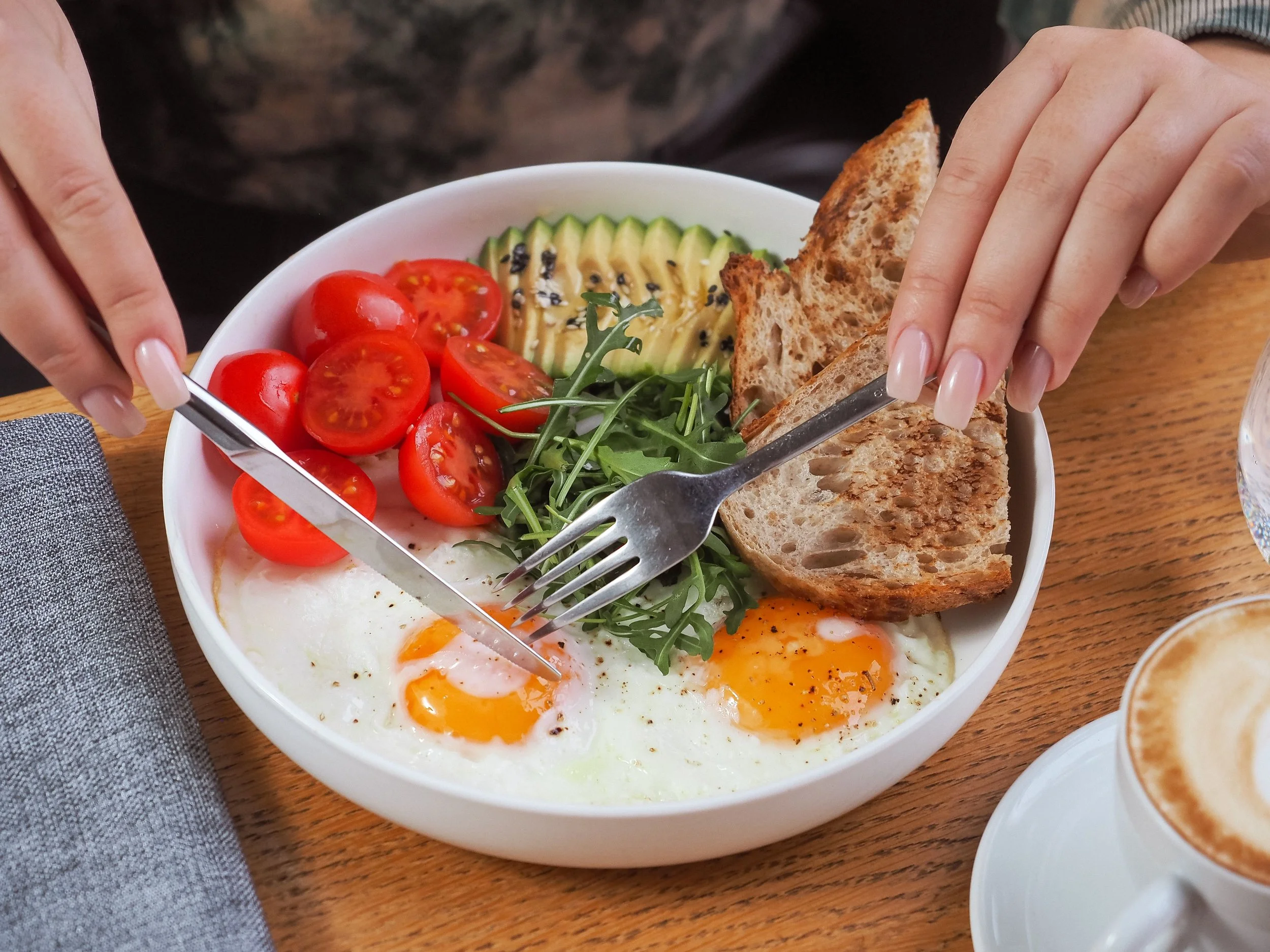
Blood sugar regulation becomes harder in perimenopause and menopause because estrogen plays a direct role in insulin sensitivity. When estrogen drops, cells become less responsive to insulin - which leads to more fat storage (especially visceral belly fat), stronger cravings, and that exhausting energy roller coaster. The fix is not cutting carbs entirely. It is being strategic about how you build your plate: protein first, lots of colour and fiber, complex carbohydrates only, and a little healthy fat. Starting your day with 20-30 grams of protein at breakfast is one of the single highest-impact changes you can make, because it stabilises your blood sugar from the first meal and sets the tone for the entire day. A small practical bonus: a tablespoon of apple cider vinegar in water before a larger meal can help blunt the glucose spike. Not magic, but genuinely useful.
Anti-inflammatory nutrition matters because estrogen is naturally anti-inflammatory, and when it declines, inflammation markers in the body tend to rise. This chronic, low-grade inflammation - sometimes called inflammaging - is connected to joint pain, cardiovascular disease, insulin resistance, and cognitive decline. Anti-inflammatory eating is not complicated, but it does require intention. Omega-3 fatty acids are your best friend here: fatty fish like salmon and mackerel, walnuts, chia seeds, and flaxseed all provide meaningful amounts. A wide variety of colourful vegetables and fruits, herbs like turmeric and ginger, and reducing refined sugar, excess alcohol, and ultra-processed foods round out the picture.
Gut health is the third pillar - and probably the most underestimated one. Your gut houses roughly 70-80% of your immune system and produces approximately 90% of your serotonin. There is also a specific collection of gut bacteria called the estrobolome that is directly responsible for metabolising estrogen, and it is directly affected by the hormonal shifts of this phase. When the gut is out of balance - which happens easily during menopause - you feel it everywhere: bloating, constipation, mood swings, brain fog, skin problems. Supporting your gut means increasing fibre gradually (most women eat far less than the recommended 25-30 grams per day), adding fermented foods like yogurt, kefir, sauerkraut, or kimchi regularly, and feeding your good bacteria with prebiotic-rich foods like garlic, onions, oats, and asparagus. If you suspect a deeper gut imbalance, or need support with nutrition and wellbeing overall in this phase, working with a nutrition professional is one of the most valuable investments you can make in your long-term health.
Does Protein Really Matter as Much as Everyone Says?
Yes - and in perimenopause and menopause, probably even more than you think. After 40, the body becomes less efficient at using dietary protein to build and maintain muscle. This process is called anabolic resistance, and it means you need more protein, not less, to get the same muscle-building signal. Muscle is metabolically active tissue - it burns more energy at rest, supports blood sugar regulation, protects bone density, and is one of the strongest predictors of healthy ageing. A practical target for most active women in this phase is around 1.6 grams of protein per kilogram of body weight per day, spread across meals rather than loaded all at dinner. Easy high-protein breakfast options include Greek yogurt with seeds and berries, two to three eggs with vegetables and avocado, a protein smoothie with nut butter and greens, or a cottage cheese bowl with vegetables and pumpkin seeds.
Is There a Connection Between Nutrition and Pelvic Floor Health?
Actually, yes - and it often surprises people. Chronic constipation from a low-fibre, low-hydration diet creates persistent downward pressure on the pelvic floor muscles, which over time contributes to weakness and dysfunction. Bladder irritants like caffeine, alcohol, and spicy foods can aggravate urgency and stress incontinence, which many women first notice during perimenopause. Collagen production also matters for connective tissue throughout the body, including pelvic floor support - and vitamin C-rich foods, zinc, and quality protein all support collagen synthesis. This is one more reason the nutrition principles above are not just about weight or energy. They support your whole body from the inside out.
Where Should You Start if This All Feels Overwhelming?
I hear this a lot. Between keto, paleo, vegan, intermittent fasting, and all the conflicting advice online, it is genuinely hard to know what to do. So let me make it simple: pick one change from each of the three B.I.G. pillars and start there. Build your next breakfast around 20-25 grams of protein with lots of colour and fibre. Add an omega-3 source to your meals three times this week - a handful of walnuts, some salmon, chia seeds in your yogurt. Add one fermented food to your day - a small portion of yogurt, a spoonful of sauerkraut, a miso-based soup. That is it. Three small shifts. Progress, not perfection.
If you want to learn more about how to shift your nutrition to support you optimally through the menopause transition and for the rest of your life - I offer a free 15-minute consult to discuss the option of working together. Click here to book your spot!
Quick Q&A
Q: Should I eat less to lose weight in menopause?
A: Not necessarily - and often eating too little backfires. Undereating increases cortisol, breaks down muscle, and worsens blood sugar regulation. Focus on what you eat, not just how much.
Q: Is caffeine bad for menopause symptoms?
A: It depends on your sensitivity. Caffeine can worsen hot flashes, disrupt sleep, and irritate the bladder. One quality coffee in the morning is fine for most women - but loading up throughout the day can amplify symptoms.
Q: Do I need supplements in menopause?
A: A few are worth considering for most women in this phase: Vitamin D3 with K2, magnesium, and omega-3s are commonly under-supplied from diet alone. That said, supplement needs are highly individual - I always assess and recommend based on the full picture of what each person needs. Always check with your healthcare provider before starting anything new.
About the Author
Barbara Birke is a sports scientist, holistic nutritionist, and mindset coach specializing in women's health through perimenopause, menopause, and healthy longevity. She sees clients at Proactive Pelvic Health Centre in Toronto and runs her international coaching brand Optimum You at optimum-you.com.
References
Bermingham KM et al. Menopause is associated with postprandial metabolism, metabolic health and lifestyle: The ZOE PREDICT study. EBioMedicine. 2022;85:104303.
Liu Y, Guo X. Dietary interventions and nutritional strategies for menopausal health. Front Nutr. 2025.
Iqbal AZ et al. Effects of Omega-3 Polyunsaturated Fatty Acids Intake on Menopausal Symptoms: A Systematic Review. Nutrients. 2023;15(20):4373.
Bayram HM et al. Dietary Inflammatory Index: is it really associated with postmenopausal symptoms? Climacteric. 2025.
Lim MJS et al. Diet, the Gut Microbiome, and Estrogen Physiology. Nutrients. 2026;18(7):1052.
Wang H et al. Gut microbiota has the potential to improve health of postmenopausal women. Front Cell Infect Microbiol. 2025.
Maffei S et al. Menopause factors and alterations in gut microbiota: relevance for impaired insulin homeostasis in non-diabetic perimenopausal and postmenopausal women. 2025.