


Perinatal Chiropractor in Toronto for Pregnancy and Postpartum Care
Pregnancy and the months after delivery bring incredible changes to your body. As your posture, balance, and movement patterns shift, you may experience discomfort or tension, especially in the lower back, hips, and pelvis. Chiropractic care offers gentle, safe techniques to help your body adapt, heal, and stay comfortable through every stage.

Common Reasons to See a Chiropractor During Pregnancy
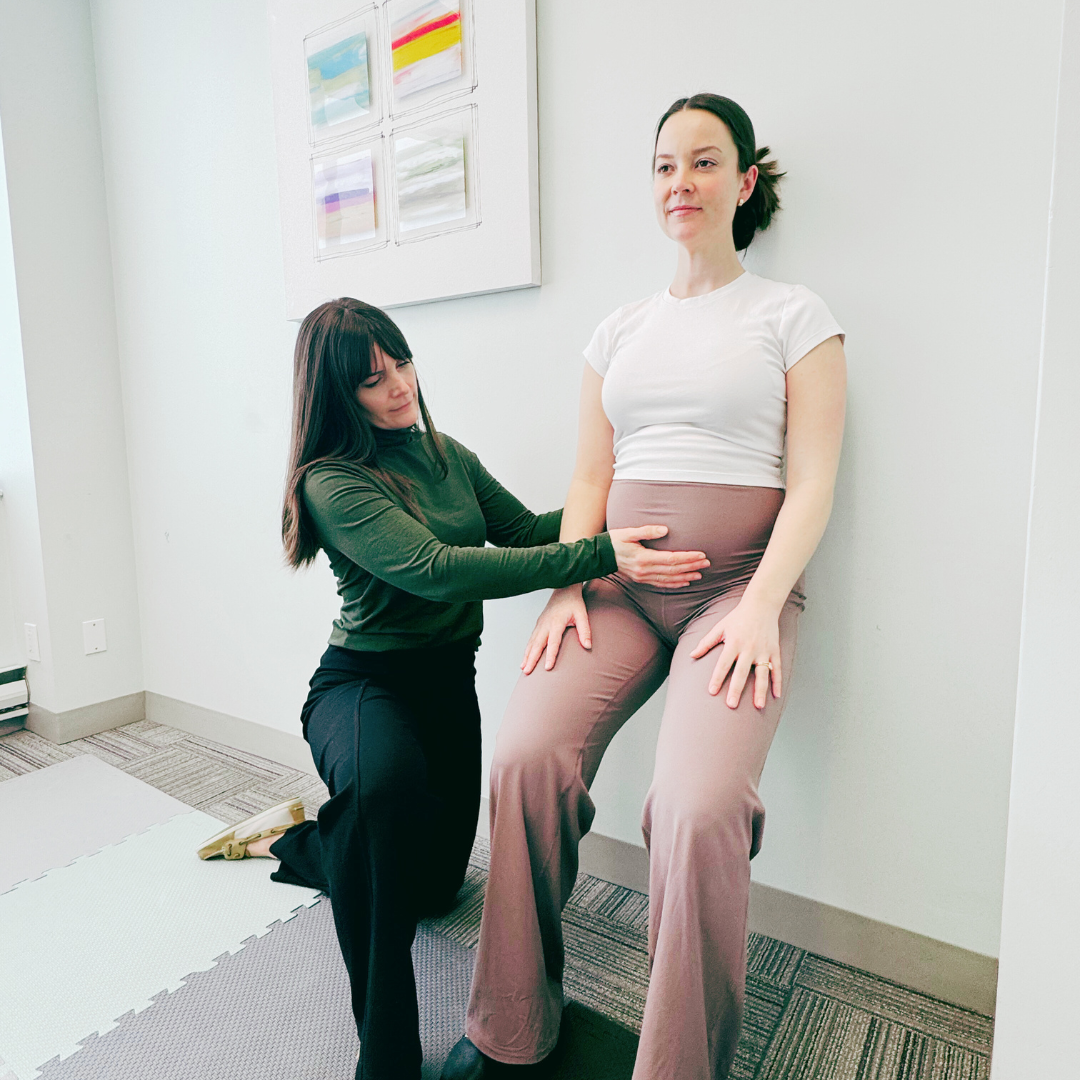
Low back pain:
Increased weight at the front of your body combined with hormonal changes can strain your lumbar spine. Gentle chiropractic care can help reduce this tension.
Pelvic girdle pain (PGP):
Misalignment or uneven movement of the pelvic joints can cause pain in the hips, groin, lower back, or sacroiliac joints. Chiropractic care restores pelvic balance, easing strain and improving mobility. Learn more here.
Sciatic nerve pain:
Changes in posture may place pressure on the sciatic nerve, leading to radiating leg pain. Soft tissue techniques can relieve pressure and improve comfort.
Round ligament discomfort:
As the uterus grows, surrounding ligaments stretch and can cause sharp or aching groin pain. Gentle techniques can reduce tension and improve comfort.
How Chiropractic Care Can Help During Pregnancy
Prenatal chiropractic care is designed to:
Maintain proper pelvic alignment to create more space for your growing baby
Reduce strain on muscles and ligaments
Encourage optimal fetal positioning before birth
Support overall spinal health and nervous system function
The Webster Technique is a chiropractic assessment and treatment approach specific to pregnancy that focuses on pelvic balance and reducing tension in surrounding muscles and ligaments. Lisa is trained in this technique and uses it where appropriate throughout pregnancy.
Download Dr. Lisa’s FREE Guide to Safe Movement & Posture During Pregnancy.
Postpartum Chiropractic Care
The postpartum period is a time of physical recovery and adaptation. Hormonal changes, feeding and lifting your baby, and the physical effects of birth can all place new stresses on your body.
Common postpartum concerns chiropractic care may help with:
Pelvic or lower back pain after delivery
Postural strain from feeding, babywearing, or lifting
Core and pelvic stability after pregnancy
Recovery from pelvic misalignment or joint strain sustained during birth
Wrist and shoulder pain from repetitive feeding and carrying positions
Chiropractic techniques are always tailored to your stage of recovery, ensuring comfort and safety. Care may include soft tissue therapy, gentle chiropractic care, taping, posture education, and mobility strategies to support your return to everyday activities.

How Chiropractic Care Can Help During Pregnancy
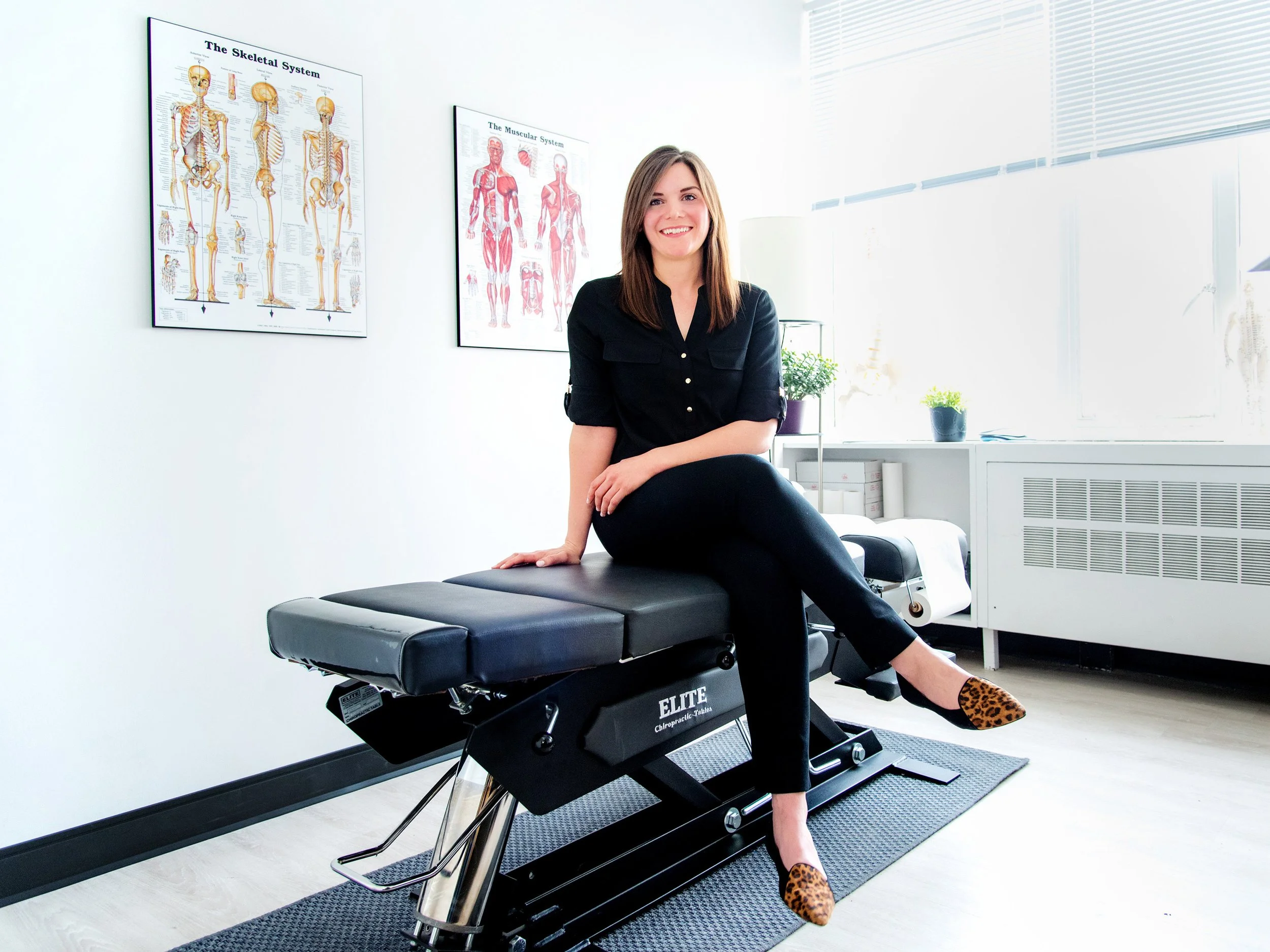
Not all chiropractic care is the same, and not all chiropractors have training specific to pregnancy and postpartum bodies. At Proactive Pelvic Health Centre, chiropractic care is delivered by Lisa Clarke, DC, whose practice focuses on perinatal and family chiropractic care.
Working within a multi-disciplinary pelvic health clinic means Lisa collaborates directly with pelvic floor physiotherapists when your recovery calls for it. If pelvic floor dysfunction, incontinence, or other postpartum conditions are part of your picture, you have access to the full team under one roof.
Evidence-based, trauma-informed, and built for every body: our approach to perinatal chiropractic reflects the same values that have guided Proactive since 2012.
General Chiropractic Care at Proactive
Beyond perinatal care, Lisa Clarke, DC, provides evidence-based chiropractic assessment and treatment for a broad range of musculoskeletal concerns.
—
Assessment
Every new patient begins with a comprehensive consultation: medical history, symptom review, lifestyle, and goals. A hands-on physical examination assesses alignment, joint mobility, nervous system health, posture, and functional movement. A tailored diagnosis and plan of care follows, focused on relief, restoration, and long-term wellness.
—
Treatment Methods
Treatment may include soft tissue techniques (myofascial release, trigger-point therapy, assisted soft tissue mobilization); manual care and mobilizations where appropriate; therapeutic exercise and movement prescription; posture, ergonomics, and lifestyle education; and acupuncture for enhanced recovery when indicated.
—
Conditions We Commonly Treat
Back pain (low back, mid-back, upper back); neck pain and headaches; sciatica and nerve compression; shoulder and upper limb pain; hip, knee, ankle, and foot discomfort; postural strain from desk work or repetitive stress; sports injury and overuse recovery.
Chiropractic Care for the Whole Family
Chiropractic care is not just for back pain. It is a natural, non-invasive way to support movement, comfort, and overall wellbeing at every age and stage of life.
Infants and children: Gentle, age-appropriate techniques can support comfort, healthy posture, and normal movement patterns.
Teens and young adults: Sports, technology use, and heavy school bags can all contribute to postural changes and spinal stress. Chiropractic care can help restore alignment, reduce pain, and improve performance.
Adults: From long hours at a desk to physically demanding work, daily life can lead to stiffness, tension, and discomfort. Care and mobility strategies help you stay active and pain-free.
Older adults: Age-related changes in joints, muscles, and balance can make movement more challenging. Chiropractic care can improve mobility, reduce pain, and support independence.
Every body is unique. Treatment is tailored to the individual's age, size, comfort level, and health goals.

Frequently Asked Questions
-
Yes. When provided by a trained practitioner, chiropractic care is generally considered safe throughout all stages of pregnancy. Techniques are adapted to accommodate your changing body, and we always discuss your comfort and consent before treatment.
-
This varies depending on your concern and stage of pregnancy or postpartum recovery. Some clients benefit from a short course of care; others find ongoing visits helpful through their entire pregnancy. We will give you an honest recommendation after your initial assessment.
-
Yes. We see clients postpartum regardless of birth type. Techniques are always adapted to your recovery stage and comfort level.
-
Many extended health plans include chiropractic services. Please check your provider for coverage details. At Proactive, most services are self-pay; patients pay and submit to their own insurance.
-
Expect a thorough intake, including a physical assessment and a personalized treatment plan. Treatment is provided during the first visit when appropriate and with the patient's consent. Most initial visits take 45 to 60 minutes.
-
Perinatal chiropractic uses gentler, pregnancy-adapted techniques and focuses specifically on the changes that occur during and after pregnancy: pelvic alignment, round ligament tension, postural shifts from carrying and feeding, and recovery from birth. At Proactive, this care is also offered alongside pelvic floor physiotherapy, so your team can coordinate when needed.
Chiropractic Care for Pregnancy, Postpartum, and the Whole Family in Toronto
Available at our East Toronto location, and via referral coordination with our pelvic floor physiotherapy team.

Did you know?
1 in 3 women
experience urinary incontinence
Over 30% of females
perform kegal (pelvic floor) exercises incorrectly
30-50% of females
have minor pelvic organ prolapse after a vaginal delivery
All women in France are given access to pelvic floor physiotherapy after having a baby.