
Vaginoplasty and the Pelvic Floor
Louise Fonteyne, PT, MSc PT, BSc
Pelvic Floor Physiotherapist
Summary
A vaginoplasty is a surgical procedure that reconstructs or creates a vagina for functional, medical, or gender-affirming purposes. While the surgery itself focuses on anatomical changes, the pelvic floor—a group of muscles critical for bladder, bowel, and sexual function—plays a major role in recovery and long-term outcomes. Pelvic floor physiotherapy can help prepare patients for surgery, improve postoperative function, and address complications such as pelvic pain, muscle tightness, or difficulty with dilation.
What is Vaginoplasty?
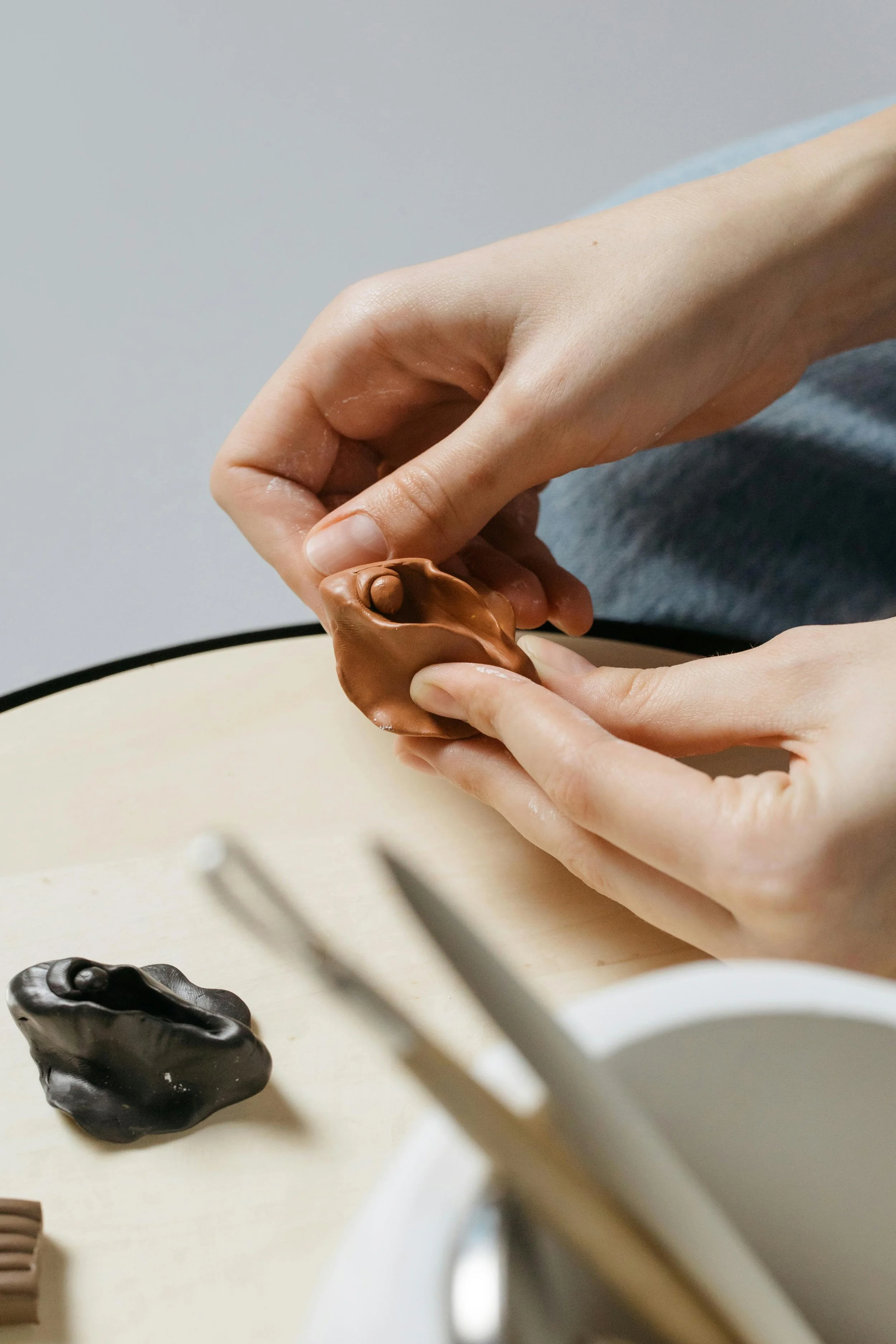
Vaginoplasty is a type of reconstructive surgery designed to create or repair the vaginal canal and surrounding structures. It is most commonly performed in two contexts: gender-affirming care and reconstructive surgery following trauma, congenital conditions, or cancer treatment. The procedure involves creating a vaginal canal between the bladder/urethra and rectum, an area closely associated with the pelvic floor muscles.
Key goals of vaginoplasty:
Creation of a functional vaginal canal
Preservation or creation of sensation
Support for urinary and sexual function
Aesthetic outcomes aligned with patient goals
Postoperative care is intensive and often includes regular vaginal dilation, hygiene routines for the surgical site and surrounding tissue, and monitoring for complications such as narrowing or pain. Because the surgery alters structures within the pelvic floor, muscle function becomes a central factor in recovery.
What is the Role of the Pelvic Floor?
The pelvic floor is a group of muscles that support the bladder, bowel, and reproductive organs. These muscles are responsible for urinary, bowel, and sexual function and support the pelvic organs. During vaginoplasty, surgical dissection passes through or near these muscles, which can affect their coordination and tone.
Potential pelvic floor issues after surgery:
Muscle tightness (hypertonicity) or difficulty relaxing relevant muscle groups
Pain during penetrative activities
Urinary or bowel symptoms such as constipation, urinary and/or fecal urgency
Throughout the rehabilitation process, it is important to remember that person in question may have had pelvic floor dysfunction prior to surgery, which must be taken into consideration.
How Can Pelvic Physiotherapy Help?
Pelvic floor physiotherapy focuses on improving the function of pelvic floor muscles through targeted interventions. This can involve muscle training to either strengthen or relax the pelvic floor, breathing techniques, coordination exercises, manual therapy and much more. These approaches aim to restore normal muscle function post operatively to help the patient achieve their goals, leading to reduced symptom severity, and improved quality of life. Additionally, therapists can teach relaxation techniques that make dilation—an essential part of recovery—more manageable.
Preoperative screening and therapy are increasingly recommended as part of comprehensive care.
Benefits before surgery:
Identification and treatment of pre-existing dysfunction
Improved muscle awareness and control
Better preparation for postoperative dilation
Benefits after surgery:
Reduced pain during dilation
Improved ability to relax pelvic muscles
Enhanced comfort during sexual activity
Support for bladder and bowel function
Final Thoughts
Vaginoplasty is a complex surgical procedure that extends beyond anatomical reconstruction to include functional recovery involving the pelvic floor. Pelvic floor physiotherapy offers a valuable, non-invasive approach to optimizing outcomes by improving muscle coordination, reducing pain, and supporting essential functions like dilation, continence and sexual function.
While research shows clear benefits in many cases—particularly for symptom relief and quality of life—the effectiveness of pelvic floor physiotherapy depends on individualized care and timing: the therapy must be tailored to the individual for where they are at in their journey. Integrating pelvic floor therapy into a multidisciplinary treatment plan can help patients achieve better surgical outcomes and long-term well-being.
References
Manrique, O. J., Adabi, K., Huang, T. C.-T., Jorge-Martinez, J., Meihofer, L. E., Brassard, P., & Galan, R. (2019). Assessment of pelvic floor anatomy for male-to-female vaginoplasty and the role of physical therapy on functional and patient-reported outcomes. Annals of Plastic Surgery, 82(6), 661–666. https://doi.org/10.1097/SAP.0000000000001680
Morrison, S. D., Claes, K., Morris, M. P., Monstrey, S., Hoebeke, P., & Buncamper, M. (2023). Principles and outcomes of gender-affirming vaginoplasty. Nature Reviews Urology, 20(5), 308–322. https://doi.org/10.1038/s41585-022-00705-y
Elsevier. (n.d.). [Book chapter on surgical or medical topics related to vaginoplasty]. ScienceDirect. https://www.sciencedirect.com/science/chapter/edited-volume/abs/pii/B9780443217760000224